
Robotic Lawn Mowers: The Smart Choice for Sports Ground Maintenance
- Posted on August 17, 2026
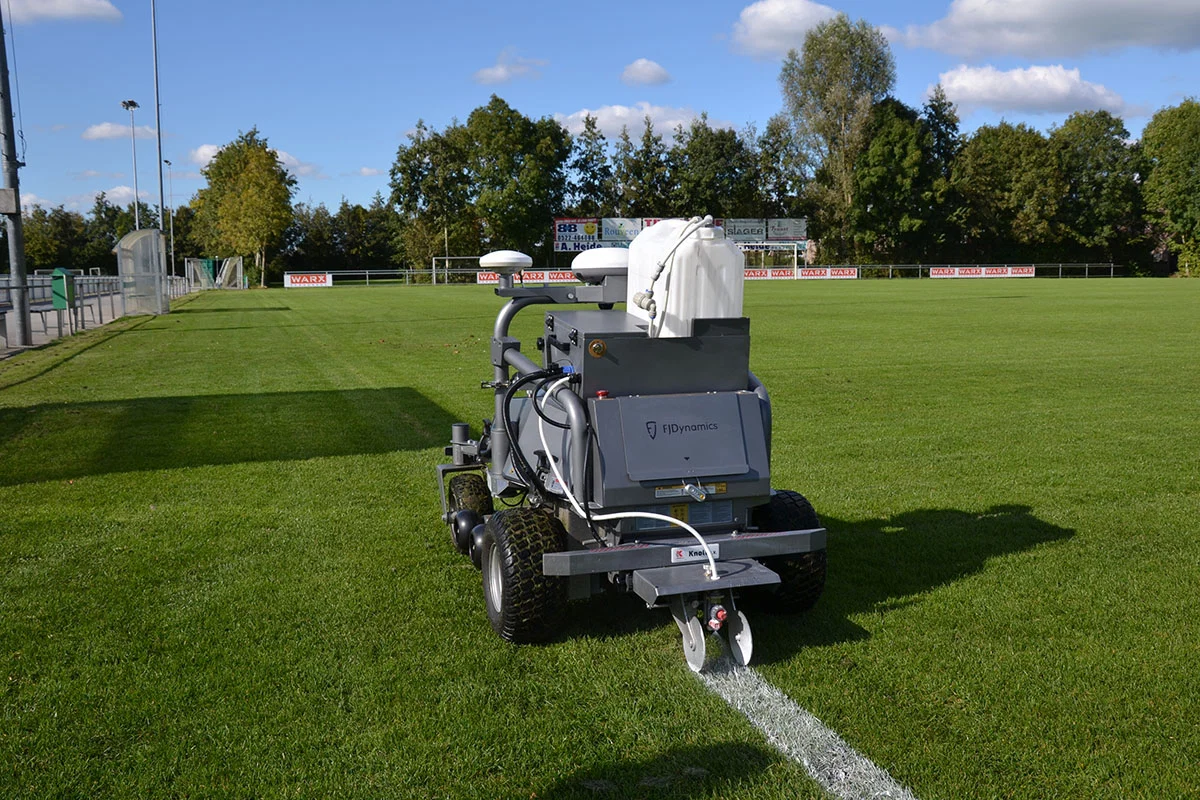
Sports grounds are unlike ordinary lawns. They endure constant foot traffic, regular training sessions, rapid changes in weather, and the strict appearance standards demanded on match day. Even when grounds staff work hard, maintaining a level of consistent surface quality can be difficult, time-consuming, and physically demanding. This is where robotic lawn mowers offer a compelling solution. By mowing frequently, evenly, and with minimal disruption, robotic lawn mowers help sports venues maintain healthier turf, better drainage conditions, and a polished, professional look.
One of the strongest reasons robotic lawn mowers suit sports grounds is their ability to mow regularly without the same operational stress as traditional mowing. Where conventional equipment might require larger scheduling windows, robotic lawn mowers can work continuously or in planned cycles, keeping grass at an optimal height day after day. This steady approach reduces the “scalp then recover” pattern that can occur when mowing intervals are too long. Over time, the turf benefits from a more uniform canopy, which supports consistent ball roll and reduces the visual patchiness that can come from uneven growth. For grounds staff, robotic lawn mowers can also free up time for other essential tasks, such as line marking, pitch inspections, aeration planning, and drainage checks.
Consistency matters most in sport, because surface irregularities can affect both play and safety. Sports grounds often have areas that experience the heaviest wear, particularly where players sprint, pivot, or repeatedly pass. Robotic lawn mowers are designed to navigate and return to cutting zones systematically, helping maintain a more even finish across the pitch. While no mower can remove all wear from high-impact play, robotic lawn mowers can minimise the turf’s recovery gaps by keeping the growing pattern stable. With a consistent mowing routine, the grass is less likely to become overly tall in neglected patches, which can otherwise create uneven footing during training drills. In short, robotic lawn mowers support a steadier surface, which is vital for both performance and confidence on the pitch.
Another key advantage of robotic lawn mowers is that they encourage healthier turf growth. Many people mistakenly assume that shorter grass is always better, but sports pitches need grass to be maintained at a height that balances durability and appearance. Robotic lawn mowers typically mow in smaller increments, which helps reduce shock to the plant. When mowing is frequent, the grass blades are not cut back dramatically, and the turf can recover quickly. This can lead to stronger root development and improved resilience against stress, especially on surfaces that face repeated traffic. Robotic lawn mowers also contribute to a cleaner look because the grass clippings are finely processed and naturally disperse, supporting the overall visual quality of the pitch. For venues where appearance and playability must align, robotic lawn mowers provide a practical route to achieving both.
Weather is another factor that makes sports ground maintenance complex. Rain can turn schedules upside down, and wind can increase the time needed to manage mowing and tidy up afterwards. Robotic lawn mowers can operate based on conditions set by the venue, helping maintain progress even when traditional mowing requires a clear weather window. Because robotic lawn mowers can run in shorter sessions, they are often less dependent on long uninterrupted work blocks. When the pitch is recovering after a heavy week of rain or late training season, robotic lawn mowers can help maintain a more stable grass height, reducing the risk of the pitch becoming overgrown before the next scheduled cut.
Safety and risk management are also important for sports grounds, particularly where pitches are used frequently and around people at different times of day. Robotic lawn mowers can reduce the number of moments when grounds staff need to be actively operating heavy equipment near players, spectators, or activity zones. With robotic lawn mowers working within a controlled approach, maintenance can be planned around training and match schedules, rather than forcing the pitch to be closed for extended periods. This flexibility supports better site management and helps ensure that maintenance activities do not interfere with coaching, warm-ups, or event logistics. While every venue will have its own safeguarding procedures, robotic lawn mowers can still contribute to a more controlled and predictable maintenance rhythm.
Operational efficiency is a practical reason robotic lawn mowers are increasingly valued in sports settings. Sports grounds are busy spaces, and staff resources are often stretched. Robotic lawn mowers can reduce labour associated with routine mowing by performing regular cutting without requiring constant human attention. That doesn’t remove the need for oversight and seasonal planning, but it does shift the workload away from repetitive daily mowing towards tasks that truly need human judgement and intervention. For example, after a busy period of matches, the grounds team can focus on greater priorities such as addressing compacted soil, monitoring grass health, and planning restorative actions. Robotic lawn mowers fit well into this workflow because they help keep the pitch consistently maintained between those bigger interventions.
Different sports have different demands. Some pitches are used for football, rugby, athletics crossovers, and community events, and the wear pattern can vary significantly. Robotic lawn mowers can still be beneficial because they help maintain turf at a consistent level, which provides a more reliable baseline for whichever sport is played. Over time, that can help grounds staff manage the turf’s expectations and reduce the “surprise” element when an unexpected session takes place. When robotic lawn mowers keep the grass under control, the pitch becomes steadier and more manageable, even when the schedule changes. For venues that rely on community sport and frequent local use, robotic lawn mowers can help protect pitch quality against the relentless cycle of activity.
Appearance is not only about looks; it also signals professionalism. When a sports ground presents a neat, even surface, it boosts confidence among players, parents, and organisers. Robotic lawn mowers contribute to a tidy presentation because mowing is regular and the grass height remains within a desirable range. The result is a pitch that consistently looks cared for, rather than only maintained right before major events. Robotic lawn mowers can help remove the “feels tired by midweek” problem that some venues experience, where grass growth outpaces a delayed schedule. Instead, robotic lawn mowers help sustain the pitch’s visual standard across the entire season.
Environmental considerations are increasingly part of how sports venues operate. Robotic lawn mowers can support more responsible maintenance by aligning mowing practices with the turf’s needs rather than applying heavy, infrequent cuts. When the pitch is maintained through a more frequent and controlled approach, the turf can often require less drastic recovery time. For venues aiming to reduce waste and improve sustainability, robotic lawn mowers fit naturally into a greener narrative, especially when clippings are handled through fine dispersion rather than removal. The overall effect is not simply about reducing disruption; it can also support healthier turf ecosystems that thrive with consistent care.
Finally, there is the question of long-term value. While any capital investment must be justified, robotic lawn mowers can reduce ongoing mowing effort and make maintenance outcomes more predictable. Sports grounds benefit when performance and planning stay stable throughout the year. Robotic lawn mowers support that stability by helping keep grass within target parameters, reducing emergency catch-up mowing and allowing staff to plan other maintenance operations with greater certainty. When robotic lawn mowers reduce routine workload, venues can invest effort where it matters most during peak periods and recovery phases.
In conclusion, robotic lawn mowers are a strong match for sports grounds because they deliver consistent mowing, support healthier turf growth, and help maintain a reliable playing surface despite frequent use and unpredictable weather. They offer practical operational advantages by reducing repetitive labour and enabling maintenance that fits around training and match schedules. For venues that need a professional appearance, dependable playability, and a more efficient approach to pitch management, robotic lawn mowers provide a modern, sensible pathway to maintaining high standards all season long.
Sports grounds are unlike ordinary lawns. They endure constant foot traffic, regular training sessions, rapid changes in weather, and the strict appearance standards demanded on match day. Even when grounds staff work hard, maintaining a level of consistent surface quality can be difficult, time-consuming, and physically demanding. This is where robotic lawn mowers offer a…